Am I A Candidate For Dental Implants? What Bone And Gums Must Look Like
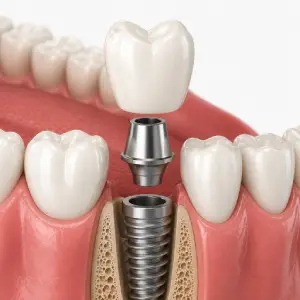
If you are considering dental implants in Antioch, the first question is usually not "How long does it take?" It is "Do I qualify?" Implant success depends on having healthy bone and healthy gums, and a plan that fits your overall health and habits.
Our team often sees patients from nearby Pittsburg and Discovery Bay who were told they might need extra steps first. That is common, and it does not automatically mean implants are off the table.
TL;DR - A Simple Implant Candidacy Checklist
Most patients can qualify for implants with the right planning, but the key decision points are bone support, gum health, and risk factors that affect healing.
- Bone: you need enough bone in the right place to stabilize the implant.
- Gums: active gum disease should be treated before implants.
- Infection history: old abscesses or failed teeth can change the plan.
- Health and habits: smoking/vaping and uncontrolled medical conditions increase risk.
- Back-up options: bridges or dentures can be good alternatives when implants are not ideal right now.
What Makes Someone A Good Candidate For Dental Implants In Antioch?
Dental implants replace a missing tooth root with a small post that integrates with bone. That means candidacy is less about "age" and more about whether your mouth can heal and support the implant long-term.
For a deeper overview of benefits and why implants are considered a durable option, see our dental implants service page.
1) Bone Support: Enough Bone, In The Right Position
Even if you have some bone, the question is whether there is enough in the correct location to place the implant where it will function well and allow a natural-looking crown. Bone can shrink after a tooth has been missing for a while or after infection.
- Common signs bone may be limited: a missing tooth for many months/years, a history of periodontal disease, or a past extraction that was difficult due to infection.
- Why it matters: placing an implant in compromised bone can increase risk of mobility, gum recession around the crown, or bite problems.
2) Gum Health: Treating Periodontal Disease First (Often The Hidden Issue)
If you have symptoms like bleeding gums, persistent bad breath, gum tenderness, or teeth that feel like they are shifting, gum disease may be present. This matters because implants rely on stable, healthy surrounding tissues to stay comfortable and cleanable.
In our experience, patients who address gum inflammation early tend to have an easier time maintaining implants long-term because home care is more comfortable and predictable.
If you are researching periodontal disease treatment (including patients searching for periodontal disease in Pittsburg), our periodontal disease page explains what gum disease is and why periodontal care supports long-term oral health.
When You Might Need Bone Grafting Before An Implant
Bone grafting is not "extra" for the sake of it. It is a way to rebuild support so an implant can be placed in a stable, functional position. Some patients need it, some do not, and the need can vary by site even within the same mouth.
Common Reasons A Graft Is Recommended
- Bone loss after an extraction: the jawbone can shrink quickly after a tooth is removed.
- Past infection: an abscess or severe decay can reduce bone quality.
- Long-term missing teeth: the longer a space is open, the more likely bone volume decreases.
- Bite forces and position: back teeth often need more support because chewing forces are higher.
What A Graft Decision Typically Depends On
Your dentist looks at how much bone is missing (height and width) and where the implant must sit to support a crown comfortably. Sometimes the goal is to avoid placing the implant at an angle that makes the final crown harder to clean.
When Gum Treatment Comes Before Dental Implants
Periodontal care before implants is about reducing active inflammation and infection, then building a routine you can maintain. This matters for patients in Antioch, Pittsburg, and Discovery Bay who are trying to avoid repeating the same problem that led to tooth loss in the first place.
Examples Of "Prep Work" That May Be Recommended
- Deep cleaning/periodontal therapy: to reduce bacterial load and gum pocket depth.
- Addressing loose teeth or failing restorations: to stabilize the bite and reduce infection risk.
- Home-care coaching: so brushing/flossing around future implants is realistic and consistent.
Health And Lifestyle Factors That Can Change Your Implant Plan
Competitor implant eligibility pages often mention smoking and medical conditions because they can affect healing. The important point is that many risk factors can be managed with the right plan and expectations.
Factors Your Dentist Will Want To Know About
- Smoking or vaping: can slow healing and increase complication risk.
- Diabetes and other chronic conditions: control level matters for healing.
- Medications and medical history: can influence bone metabolism and post-op recovery.
- Grinding/clenching: can increase force on implant restorations without protection.
Alternatives If Implants Are Not The Best Option Right Now
A good evaluation includes a "Plan B" that still protects your bite and appearance. If implants are not recommended today, it may be because timing or risk is not ideal, not because replacement is impossible.
Common Alternatives To Discuss
- Dental bridge: may be an option when neighboring teeth need crowns anyway, or when you want a fixed solution without surgery.
- Removable denture or partial: can restore function quickly and can sometimes serve as a temporary step while you complete periodontal care.
If you are also working on preventive habits while planning bigger restorative care, our preventive care page shares the basics that help keep gums and bone healthier over time.
What To Expect At An Implant Candidacy Visit
An implant consult is mainly a screening and planning appointment. The goal is to answer: Is an implant safe and predictable for you, and if not yet, what needs to happen first?
- Review of health history and goals: function, appearance, timeline preferences.
- Exam of teeth and gums: checking for inflammation, mobility, and bite concerns.
- Imaging and site evaluation: assessing bone volume at the missing-tooth site.
- Clear options: implant plan, prep treatment (gum therapy or grafting), or alternative replacement.
You can also review general office information and scheduling options on our contact page.
FAQs
How do I know if I have enough bone for a dental implant?
The most reliable way is an in-office evaluation with dental imaging. Your dentist checks bone height and width at the missing-tooth site and looks for signs of bone loss from past infection or long-term missing teeth.
If I have gum disease, can I still get dental implants?
Possibly, but gum health must be stabilized first. Periodontal disease increases the risk of implant complications, so treatment and consistent home care are typically required before moving forward.
When is bone grafting recommended before an implant?
Bone grafting may be recommended when there is not enough healthy bone to support an implant in the ideal position. The decision depends on how much bone is missing and where the implant needs to sit for proper bite and appearance.
Do smoking or medical conditions automatically disqualify me?
Not always, but they can raise risk and affect healing. Your dentist will review medications, diabetes control, smoking or vaping, and other health factors to determine if additional precautions or alternatives are safer.
What are my options if I am not a good candidate for implants right now?
Many patients can become candidates after preparation such as periodontal care, treating infection, or grafting. If implants are not the best choice, alternatives may include a dental bridge or a removable denture based on your goals and oral health.
Related Reading
- Dental Implants
- Periodontal Disease Treatments
- Tooth Extraction
- Technology
- Dentistry For Anxious Patients
Conclusion: A Better Question Than "Do I Qualify?"
Many people qualify for implants, and many more can qualify after the right preparation. The most helpful question is: "What is the safest, most predictable plan for my bone and gums?" A personalized exam can clarify whether you are ready now, need gum treatment or a bone graft first, or would do better with an alternative.
Schedule An Implant Candidacy Evaluation
If you are exploring options for a missing tooth and want a clear answer on eligibility, call our office to schedule a consult with Dr. Ali Shirani. For appointments, reach us at 925-778-1998.