Recovery Tips After a Root Canal in Brentwood
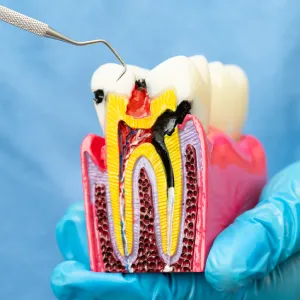
A root canal is a highly reliable treatment for preserving a tooth that has been harmed or infected. While modern dental technology has made the procedure far more comfortable than people expect, proper aftercare is essential for a smooth recovery. If you’ve recently had a root canal or are preparing for one, understanding how to care for your tooth afterward will help minimize discomfort, prevent complications, and speed up healing.
In our last post, we explored several myths and truths surrounding getting a root canal to help patients better understand the procedure. Building on that foundation, this article shifts the focus to what happens afterward—offering practical guidance to support a smooth and comfortable healing process.
How to Heal Quickly After Your Root Canal in Brentwood
Recovering well after a root canal in Brentwood depends on taking the right steps in the days following your procedure. By avoiding pressure on the treated tooth, practicing gentle oral hygiene, and following your dentist’s aftercare instructions, you can support faster healing and reduce discomfort. Most patients are able to return to normal activities within a short time when proper care is followed.
-
Follow Your Dentist’s Post-Treatment Instructions
Your dentist will provide detailed guidelines based on the complexity of your procedure. These instructions often include how to manage discomfort, recommended medications, and when to resume normal activities. Following these directions closely is the best first step toward a successful recovery and long-lasting results.
-
Manage Swelling and Mild Discomfort
Some sensitivity is normal after a root canal, especially when chewing or applying pressure. In many cases, basic over-the-counter pain medicine provides adequate relief. You can also apply a cold compress to your cheek during the first 24 hours to reduce swelling. Avoid chewing on the treated side until your permanent crown is placed, as this prevents unnecessary pressure on the tooth.
-
Choose Soft Foods for the First Few Days
Your tooth and surrounding tissues will need time to settle. Choose soft foods such as yogurt, soups, mashed potatoes, smoothies, eggs, and pasta during the first few days. As your comfort improves, you can slowly reintroduce your regular diet. Avoid very hot, crunchy, or chewy foods early on, as they may irritate the area.
-
Keep Up With Gentle Oral Hygiene
It’s important to keep your mouth clean while healing. You can brush and floss as normal, but be gentle near the treated tooth. If your dentist recommends using a warm saltwater rinse, this can help soothe the area and reduce inflammation. Maintaining good oral hygiene also prevents bacteria from affecting your recovery.
-
Schedule Your Follow-Up Appointment
A root canal is typically completed in stages, ending with the placement of a permanent crown. This step is crucial because the restored tooth needs reinforcement to function properly. Make sure to attend all scheduled follow-up visits at your dental office in Brentwood to ensure the tooth heals correctly and stays protected.
-
Long-Term Care for Your Treated Tooth
After the tooth has fully healed and the crown is placed, you can use it just like a natural tooth. Continue brushing twice a day, flossing daily, and visiting your dentist for routine cleanings. Proper long-term care can keep your restored tooth healthy for many years.
-
Know When to Seek Urgent Care
Most patients recover quickly, but it’s important to recognize when something doesn’t feel right. Severe swelling, persistent pain, or signs of infection should be addressed immediately. If you experience symptoms that concern you, reaching out to an emergency dentist in Brentwood can help prevent further complications and protect your restored tooth.
Conclusion
Recovering from a root canal is typically smooth when you follow proper aftercare and communicate with your dental provider. If you need help, have questions, or want to schedule a visit, you can reach the office at 925-778-1998 for support and guidance.