In-Office vs. Take-Home Whitening: Which Fits Your Smile?
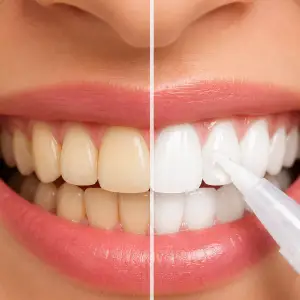
If you have been searching for teeth whitening in Antioch, you have probably noticed there is no single "best" option for everyone. The two most common professional choices are in-office whitening and custom take-home trays. Both can brighten your smile, but they fit different schedules, sensitivity levels, and goals.
Patients also travel in from nearby Pittsburg and Brentwood, and the questions we hear are consistent: How white will my teeth get, how long will it last, and will it hurt? This guide breaks the decision down so you can choose confidently.
TL;DR - How To Choose Between In-Office and Take-Home Whitening
In-office whitening is usually the best choice when you want a faster change under direct supervision. Take-home trays are often better when you want gradual results and more control over sensitivity.
- Need speed? In-office whitening is designed for faster visible results.
- Need flexibility? Take-home trays let you whiten on your own schedule.
- Worried about sensitivity? Trays can be easier to adjust (shorter sessions, fewer days).
- Have crowns or veneers? Plan first, because restorations do not whiten like enamel.
- Best next step: a quick exam to confirm you are a good candidate and to set expectations.
First, Set Expectations: What Teeth Whitening Can (and Cannot) Do
Whitening lightens natural tooth enamel. It is great for many common stains from coffee, tea, red wine, or aging. However, not every type of discoloration responds the same way, and whitening is not a substitute for treating cavities or gum inflammation.
If you want a broader smile upgrade (whitening plus other cosmetic options), our cosmetic dentistry services page outlines common ways to improve color, shape, and overall balance.
In-Office Whitening: Pros, Cons, and Who It Is Best For
In-office whitening is performed at the dental office and is designed to deliver a noticeable change quickly. It is a popular option for patients with a deadline, like an upcoming event, photos, or professional commitments.
When In-Office Whitening Makes the Most Sense
- You want faster results and prefer a single-visit approach.
- You want professional monitoring during treatment.
- You are not sure what products are safe or effective for your specific teeth.
Potential Downsides to Consider
- Sensitivity can happen, especially for patients who already have sensitive teeth.
- It is less adjustable mid-treatment compared with taking trays home and changing timing day to day.
Take-Home Trays: Pros, Cons, and Who It Is Best For
Custom take-home trays are made to fit your teeth and are used with dentist-provided whitening gel. Many patients like the control and the gradual nature of the change. This option can be especially appealing if you are balancing work, school, or commuting between Antioch, Pittsburg, and Brentwood.
When Take-Home Trays Are a Great Fit
- You prefer gradual brightening with more control over pacing.
- You have a history of sensitivity and may need shorter or less frequent sessions.
- You want an easy touch-up plan after the initial whitening phase.
Potential Downsides to Consider
- Results take longer compared with in-office whitening.
- Consistency matters; skipping days can slow progress.
Teeth Whitening in Antioch: A Simple Decision Guide
If you are deciding between the two, start with your main priority:
-
If you want the fastest visible change:
Consider in-office whitening and ask how to minimize sensitivity afterward.
-
If sensitivity is your biggest worry:
Consider take-home trays so your plan can be adjusted based on how your teeth feel.
-
If your teeth have dental work in the front:
Schedule a consult to plan color matching, since crowns and fillings will not whiten.
-
If you are unsure what is causing discoloration:
An exam can help determine whether stains are external, internal, or related to other dental needs.
Sensitivity and Safety: What Most Patients Want to Know
Whitening sensitivity is usually temporary, but it can be frustrating. In our team's experience, sensitivity is more likely when patients whiten too frequently, use overly strong over-the-counter products, or already have underlying tooth or gum irritation.
Practical Ways to Reduce Whitening Sensitivity
- Address dental issues first (cavities, gum irritation, exposed roots).
- Use a desensitizing toothpaste before and during your whitening window (as recommended by your dentist).
- Space sessions out if you feel zingers or lingering cold sensitivity.
- Avoid very hot or very cold foods right after whitening sessions.
If you would like a professional overview of whitening options offered through our office, visit our teeth whitening service page for additional details.
What to Ask at Your Whitening Consultation
Whether you are coming from Antioch or driving in from Pittsburg or Brentwood, a whitening consult is most helpful when it is specific to your teeth. Here are questions that typically lead to the clearest plan:
- Am I a good candidate right now? (Or do I need cleaning, fillings, or gum care first?)
- What shade change is realistic for me? (Based on my starting shade and stain type.)
- What is your plan for sensitivity? (Before, during, and after whitening.)
- How will whitening affect my existing dental work?
- What should I do to maintain results? (Touch-ups, habits, and timing.)
If you are also looking for an ongoing dental home for routine care, our family dentistry page explains how preventive visits support long-term oral health (and help whitening results look their best).
FAQs
Is professional teeth whitening safe for my enamel?
When whitening is supervised by a dental team and used as directed, it is generally considered safe for enamel. The key is choosing the right method for your teeth and avoiding overuse of strong products.
Which works faster: in-office whitening or take-home trays?
In-office whitening is designed for faster visible change in a single visit, while take-home trays typically build results gradually over a series of applications. The best choice depends on your timeline and sensitivity.
Will whitening make my teeth sensitive?
Some patients experience temporary sensitivity with either method, especially if they already have sensitivity. Your dentist can suggest adjustments such as shorter wear times, spacing out sessions, or using desensitizing toothpaste.
Do crowns, veneers, or fillings change color when I whiten my teeth?
No. Restorations like crowns, veneers, and fillings do not whiten the same way natural enamel does. A consult helps you plan whitening around existing dental work so your smile stays even in color.
How long do whitening results last?
Results vary by diet, habits, and oral hygiene. Many patients maintain results longer by limiting stain-causing drinks, brushing consistently, and using occasional touch-ups with dentist-directed products.
What should I ask at a teeth whitening consult in Antioch?
Ask which whitening option fits your stains, whether you have cavities or gum irritation that should be treated first, how to manage sensitivity, and what shade change is realistic for your smile.
Related Reading
Conclusion: Choose the Option That Matches Your Teeth and Your Timeline
In-office whitening and take-home trays can both be excellent choices. The best option depends on your goals, how sensitive your teeth tend to be, and whether you have existing dental work that needs color planning.
If you want help choosing the right approach, call Dr. Ali Shirani to schedule a whitening consultation at 925-778-1998.