When a Tooth Problem Becomes an Emergency: Signs You May Need an Urgent Extraction
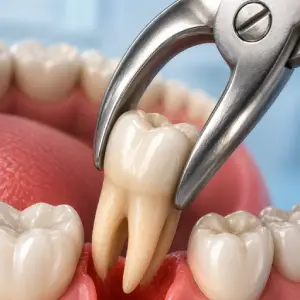
Tooth pain can go from annoying to alarming fast. If you are searching for tooth extraction in Antioch, you may be dealing with swelling, a broken tooth, or a toothache that is not letting you sleep. The good news is you do not have to guess whether it is "bad enough" to be seen. This article explains the red flags that can make an extraction urgent, what to do first, and how a dentist decides whether a tooth can be saved or should be removed.
TL;DR - How to Triage a Possible Dental Emergency
If you have severe pain, swelling, drainage, or a broken tooth, get evaluated quickly. Early care can prevent infection from spreading and may increase the chances of saving your tooth.
- Go now: facial swelling, fever, trouble swallowing or breathing, or uncontrolled bleeding.
- Call same day: severe pain, visible pus, a cracked tooth with sharp edges, or pain when biting that is getting worse.
- Do first: cold compress, gentle rinse, avoid chewing on the sore side, protect broken edges.
- Do not: put aspirin on gums, apply heat to swelling, or ignore worsening symptoms.
- Decision point: extraction vs root canal depends on crack depth, infection, remaining tooth structure, and restorability.
When Tooth Extractions Become Urgent (Red-Flag Checklist)
Not every toothache requires an emergency visit, but certain symptoms can signal infection, trauma, or complications that should be addressed quickly. For immediate guidance and emergency visit information, you can also review our emergency dentistry page.
Go to Urgent Care or the ER if You Have These Signs
- Trouble breathing or swallowing (especially with swelling under the jaw or in the neck).
- Rapidly increasing facial swelling or swelling that is closing an eye.
- Fever with facial swelling, fatigue, or feeling unwell.
- Uncontrolled bleeding after a tooth was removed or after an injury.
Call a Dental Office the Same Day for These Signs
- Severe tooth pain that does not respond to basic home measures or is waking you up.
- Pus, a bad taste, or gum "pimple" (drainage) near a tooth.
- Broken or cracked tooth with sharp edges or pain when biting.
- Swelling of the gums near a tooth (even without visible cheek swelling).
- Loose tooth in an adult after injury or with sudden tenderness.
What To Do First (Before You Get to the Dentist)
The goal in the first 24 hours is to reduce swelling, protect the tooth and surrounding tissues, and avoid actions that can make infection or bleeding worse. If you need directions, scheduling, or instructions, visit our contact page.
Do These Steps
- Use a cold compress on the outside of your cheek for 10-15 minutes at a time to help with swelling.
- Keep the area clean with gentle salt-water rinses if you can swish comfortably (do not rinse aggressively).
- Avoid chewing on the painful side and stick to softer foods until you are evaluated.
- If a tooth is broken, protect sharp edges with dental wax (if you have it) to prevent cuts to your cheek or tongue.
- Bring key details to your visit: when symptoms started, what makes pain worse, and what medications you have taken.
Avoid These Common Mistakes
- Do not place aspirin directly on the gums; it can irritate or burn tissue.
- Do not use heat on facial swelling when infection is possible (heat may worsen swelling).
- Do not "wait it out" if swelling is increasing or you feel sick.
- Do not keep poking the area with toothpicks or sharp objects; it can worsen irritation.
How a Dentist Decides: Extraction vs Root Canal
Many people assume "emergency dentist" automatically means extraction. In reality, the first goal is to stop pain and control infection. Then we decide whether the tooth can be saved safely and predictably. If you are researching the alternative to extraction, our root canal therapy page explains when endodontic treatment may be an option.
Reasons a Tooth May Be a Better Candidate for Saving
- The tooth has enough solid structure to support a restoration.
- Infection is treatable and the root is restorable.
- There is no deep, vertical crack extending below the gumline.
Reasons Extraction May Be the Safer Urgent Option
- Severe fracture (especially if it extends below the gumline).
- Advanced infection that is not responding and the tooth cannot be predictably restored.
- Significant mobility from bone loss or trauma.
- Wisdom tooth issues such as painful impaction or repeated infection; see our wisdom teeth removal page for related guidance.
Local Notes for Antioch and Brentwood Patients
In our experience, urgent dental calls often come in after-hours because pain flares at night or swelling appears suddenly in the morning. If you are trying to decide whether to drive in from Brentwood for emergency care, focus on symptoms, not distance. Swelling, fever, drainage, or a broken tooth with severe pain should be evaluated promptly to reduce the risk of complications.
If you are looking for a Dental Office in Antioch that can evaluate urgent pain and determine whether you need extraction or another treatment, a timely exam and X-rays help clarify what is happening under the surface.
What Happens at an Urgent Extraction Visit?
An urgent visit usually focuses on three things: diagnosing the cause (infection, fracture, decay, gum issue, or trauma), stabilizing symptoms, and choosing the safest plan. If extraction is recommended, we review anesthesia options, what to expect during removal, and clear aftercare steps. You can also review general aftercare guidance on our post-op instructions page.
FAQs
What symptoms mean I should seek emergency dental care right away?
Seek urgent dental care if you have facial swelling, fever, trouble swallowing or breathing, uncontrolled bleeding, severe pain that is not improving, or a knocked-out or badly broken tooth. These signs can indicate infection, trauma, or complications that should be evaluated quickly.
How do you decide between a root canal and an extraction?
A dentist typically considers how much healthy tooth structure is left, whether there is a deep crack, the extent of infection or bone loss, and whether the tooth can be predictably restored. If a tooth can be saved, root canal therapy may be recommended; if not, extraction may be the safer option.
What can I do at home in the first 24 hours while I wait to be seen?
Use a cold compress for swelling, keep the area clean with gentle salt-water rinses (if comfortable), avoid chewing on the sore side, and take only medications as directed on the label unless your physician advises otherwise. Avoid placing aspirin directly on the gums and do not apply heat to facial swelling.
Is an urgent extraction always painful?
Extractions are typically performed with local anesthetic to numb the area. If there is active infection or significant inflammation, getting fully numb can be more challenging, but dentists have strategies to improve comfort and control pain during and after the procedure.
If I am in Brentwood, can I see an emergency dentist quickly?
If you are in Brentwood and experiencing severe tooth pain or swelling, it is still important to seek prompt evaluation. Call the office to describe your symptoms so the team can guide you on next steps and schedule the soonest appropriate visit.
Related Reading
- Tooth Extraction
- Emergency Dentistry
- Root Canal Treatment
- Wisdom Teeth Removal
- Dentistry for Anxious Patients
Next Step: Get the Right Diagnosis Fast
When pain and swelling are involved, guessing can cost time. A focused exam can determine whether you need antibiotics, drainage, root canal therapy, or an urgent extraction, and it can also help prevent the problem from escalating.
If you are dealing with severe tooth pain or think you may need an urgent tooth extraction, call our office to schedule an evaluation: 925-778-1998.
You can also learn more about our approach to tooth extraction in Antioch and what to expect before and after treatment.