Dental Implants vs. Bridges: How to Choose for One Missing Tooth
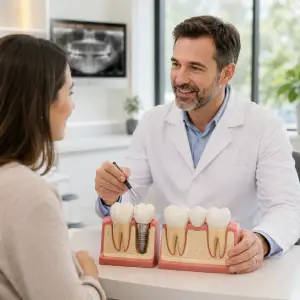
Replacing a missing tooth is not only about appearance. A gap can change how you chew, invite neighboring teeth to drift, and create new places for food and plaque to collect. If you are weighing dental implants in Antioch versus a traditional dental bridge, the best choice usually comes down to how you want the replacement to function over time, and what it means for the teeth next to the space.
In our previous blog, "Are You A Candidate For Dental Implants?" we discussed bone, gum health, and general eligibility. In this article, we focus on the day-to-day decision: implant vs bridge for one missing tooth.
TL;DR - A Practical Way To Decide
A bridge can be a smart, fixed option when the neighboring teeth already need crowns or when you want a non-surgical path. An implant is often favored when you want to replace the tooth without reshaping adjacent teeth and you are aiming for a long-term, easy-to-clean solution.
- Choose an implant if you want to avoid trimming the teeth next to the gap and prioritize long-term independence.
- Choose a bridge if the two teeth beside the space already need crowns or significant restoration.
- Think about hygiene: implants are cleaned like a tooth; bridges require special cleaning under the false tooth.
- Consider longevity: both can last, but bridges depend on the health of the supporting teeth.
- Compare cost wisely: bridges may be lower upfront, while implants may offer long-term value for some patients (no prices quoted here).
What Is The Difference Between A Bridge And An Implant?
A dental implant replaces the missing root with an implant post and then supports a crown. A dental bridge replaces the missing tooth by using the adjacent teeth as anchors (abutments), typically with crowns, and a replacement tooth (pontic) in between.
If you want a service overview of how implants work and why many patients choose them, visit our dental implants page.
Dental Implants In Antioch: When An Implant Makes The Most Sense
You Want To Protect The Teeth Next To The Gap
One of the biggest decision points is whether the neighboring teeth are healthy. In many cases, an implant lets you replace the missing tooth without reshaping the teeth beside it. For patients who have two intact neighboring teeth, that independence can be a major benefit.
You Want A Tooth That Is Straightforward To Clean
An implant crown is typically brushed and flossed similarly to a natural tooth. With a bridge, you usually need to clean under the pontic (the replacement tooth) using tools like floss threaders or specialty floss.
You Are Thinking Long-Term (Not Just This Year)
Bridges can perform very well, but they rely on the supporting teeth staying healthy. If a supporting tooth develops decay, gum problems, or needs additional treatment, the bridge may be affected. Implants shift the support to the jawbone rather than the adjacent teeth.
When A Dental Bridge Can Be The Smarter Choice
The Teeth Next To The Space Already Need Crowns
If the neighboring teeth already have large fillings, cracks, or older restorations that are likely to require crowns anyway, a bridge may align with what those teeth need. In that situation, the bridge is not just "sacrificing good teeth." It is often restoring teeth that already needed reinforcement.
You Prefer A Fixed Option Without Implant Surgery
Some patients prefer to avoid surgery, or they want a treatment path that does not depend on implant integration with bone. A bridge can be a stable, fixed replacement for many smiles when the supporting teeth and gums are healthy.
If anxiety is a factor in your decision, our dentistry for anxious patients page explains comfort-focused options that can make care feel more manageable.
Key Decision Factors Patients Often Miss
1) How The Replacement Handles Chewing Forces
Your bite matters. Back teeth handle higher chewing forces than front teeth. An implant can keep forces more localized to the missing-tooth area, while a bridge spreads those forces across the supporting teeth. Neither is automatically "better" in every mouth, but your bite pattern helps determine what is safest and most comfortable.
2) Cleaning Commitment (Be Honest With Yourself)
In our experience, the best restoration is the one you will actually maintain. If you know flossing under a bridge will be difficult for you, that should be part of the conversation. Likewise, implants still require consistent home care and regular dental visits to keep tissues healthy.
3) The Long-Term Cost Picture (Without Quoting Prices)
Many people compare the initial fee, but a better comparison is the lifetime plan. A bridge may have a lower upfront cost for some cases, but it involves multiple teeth and may need replacement if a supporting tooth develops a problem. An implant may be more of an investment initially, but it can reduce reliance on the neighboring teeth. Your dentist can help you compare the likely maintenance path for your specific mouth.
If You Are Searching From Brentwood, Discovery Bay, Or Pittsburg
We welcome patients who are comparing dental implants in Brentwood, dental implants in Discovery Bay, or dental implants in Pittsburg and want to understand the "why" behind the recommendation. The city you are coming from matters less than the clinical decision points: gum health, bone support, bite forces, and how the neighboring teeth look today.
If you currently have pain, swelling, or a failing tooth that may need removal before replacement, our tooth extraction page explains what to expect and why timing matters for preserving healthy tissue.
What To Expect At A Missing-Tooth Options Visit
- Goal review: what you want to improve (chewing, appearance, comfort, confidence).
- Check adjacent teeth: are they healthy, already crowned, heavily filled, or cracked?
- Gum and bite evaluation: looking for inflammation, mobility, or bite patterns that stress restorations.
- Clear recommendation: implant, bridge, or another option, with an explanation you can understand.
FAQs
Is a dental bridge faster than an implant for replacing one missing tooth?
Often, yes. A bridge can sometimes be completed sooner because it does not rely on implant integration with bone. Your dentist will confirm what is realistic based on the condition of nearby teeth and gums.
Do dental implants last longer than bridges?
Both can last a long time with excellent care, but they are maintained differently. Implants replace the root and do not rely on adjacent teeth for support, while bridges depend on crowned neighboring teeth and can be affected by decay or issues under those crowns.
Will an implant or bridge feel more like a real tooth when chewing?
Many patients report that implants feel very natural because the support comes from the jawbone like a tooth root. A well-made bridge can also feel comfortable, but it spreads force through the supporting teeth.
Can a bridge be a better choice if the teeth next to the gap already need crowns?
Yes. If the adjacent teeth already need crowns due to large fillings, cracks, or prior damage, a bridge may align with that restorative need. The best choice depends on bite, gum health, and how easy it will be for you to clean around the restoration.
What if I live in Brentwood, Discovery Bay, or Pittsburg and I am comparing implant options near you?
The decision factors are the same regardless of which nearby city you are coming from: bone support, gum health, bite forces, and long-term maintenance. A consultation can clarify whether an implant, bridge, or another option fits your goals and timeline.
Related Reading
- Dental Implants
- Cosmetic Dentistry
- Tooth Extraction
- Periodontal Disease Treatments
- Dentistry For Anxious Patients
Conclusion: Pick The Option That Protects Your Mouth, Not Just The Space
The right answer is not always "implant" or always "bridge." It depends on the health of the teeth next to the gap, your bite forces, and what you can realistically maintain at home. A good plan should feel comfortable to chew with, look natural, and help protect your long-term oral health.
Schedule A Missing-Tooth Consultation
If you are deciding between a bridge and a dental implant, schedule a visit with Dr. Ali Shirani to review your options and get a clear recommendation. Call 925-778-1998.