Why Whitening Makes Teeth Sensitive (And The Mistakes To Avoid)
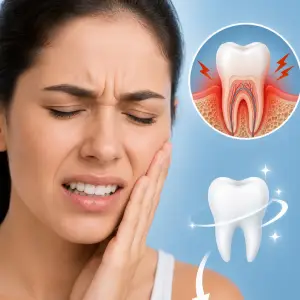
If you have ever tried whitening and felt that zing of sensitivity afterward, you are not alone. Many people start with over-the-counter strips or gels, push too hard to get fast results, and end up with soreness that makes them want to quit.
This guide focuses on the most common teeth whitening mistakes that can cause sensitivity, plus safer ways to get a brighter smile. It is written for patients considering teeth whitening in Antioch, and it is also helpful for neighbors coming in from Pittsburg or Brentwood.
TL;DR - Get Whiter Teeth Without The Zings
Sensitivity usually comes from using whitening products too often, too long, or on teeth that need dental attention first. A slower, more customized approach typically feels better and looks better.
- Do not "double up" (strips plus whitening toothpaste plus gel) in the same week.
- Shorter sessions are often safer than long wear times that irritate teeth and gums.
- Fix problems first like cavities, gum recession, or cracked teeth before whitening.
- Use desensitizing toothpaste and a gentle routine before and after whitening.
- Professional whitening can reduce guesswork with better-fitting options and guidance when sensitivity hits.
What Actually Causes Sensitivity From Whitening?
Most whitening uses peroxide-based ingredients that can travel through enamel and dentin to lift stains. During this process, your tooth can become temporarily more reactive to cold air, cold water, and sweet or acidic foods.
Our team often sees sensitivity flare-ups when a patient is whitening teeth that already have exposed root surfaces (from gum recession), enamel wear, or an undiagnosed cavity. Whitening does not create those issues, but it can reveal them by making the tooth feel "louder."
Teeth Whitening In Antioch: Mistakes That Commonly Trigger Sensitivity
1) Overusing Strips Or Gel (More Is Not Better)
A very common mistake is adding extra days or extra applications because the shade is not changing fast enough. Overuse can dehydrate the tooth surface and irritate the nerve, which can make sensitivity worse and results less even.
- Follow product instructions for wear time and frequency.
- If you feel consistent zingers, take a few days off rather than pushing through.
2) Whitening On Top Of Existing Sensitivity
If your teeth already react to cold, whitening may intensify it. Sensitivity can come from brushing too hard, gum recession, enamel wear, or clenching and grinding. Whitening is best started when your baseline comfort is under control.
If you are unsure what is causing your sensitivity, start with a dental visit first. You can also learn about cosmetic options beyond whitening on our cosmetic dentistry services page.
3) Whitening With Cavities, Cracks, Or Leaky Fillings
Whitening gel can seep into areas where the tooth is compromised, causing sharper or lingering pain. This is one reason professional guidance matters, especially if you have had old fillings or notice a tooth that "catches" when you bite.
4) Using Charcoal Or Overly Abrasive "Whitening" Pastes
Some trendy whitening products brighten by polishing surface stains, not bleaching. If the formula is too abrasive, it can wear enamel over time and make teeth feel more sensitive. A safer goal is stain removal without aggressive scrubbing.
5) Leaving Trays Or Strips On Too Long
Longer contact time can increase gum irritation and sensitivity. If you are using a tray that does not fit well, gel can slide onto the gums and create burning or inflammation that makes teeth feel achy.
6) Whitening Right After A Cleaning Or When Gums Are Irritated
After a professional cleaning, your teeth may feel extra "open" to temperature changes for a short time. Whitening immediately afterward can amplify that sensation. If your gums are inflamed or bleeding, postpone whitening and focus on gum health first.
If you have concerns about gum inflammation, our periodontal disease treatment page explains how gum health and comfort go hand-in-hand.
How To Get Better Whitening Results With Less Sensitivity
Start With The Right Baseline: Exam First, Then Whitening
Before you invest time (and money) in whitening, it helps to confirm your teeth are healthy enough for it. A quick exam can identify cavities, gum recession, or enamel issues that could make whitening uncomfortable.
If you are looking for teeth whitening in Antioch and want a more guided option than drugstore kits, see our teeth whitening page for an overview of whitening solutions and what to expect.
Use A Desensitizing Toothpaste Strategically
Many people get better tolerance by brushing with a sensitivity toothpaste for about two weeks before whitening and continuing during the whitening period. Use a soft toothbrush and gentle pressure, especially near the gumline.
Take "Rest Days"
If sensitivity shows up, you may not need to quit. Often, spacing treatments (for example, whitening every other day) can reduce discomfort while still improving shade over time.
Watch What You Eat And Drink During The Whitening Window
Right after whitening, teeth can be more prone to picking up stains. To keep results looking cleaner without over-whitening:
- Rinse with water after coffee, tea, red wine, or dark sauces.
- Avoid very acidic foods and drinks if you are feeling sensitive.
- Wait before brushing if you had something acidic (brushing immediately can be harsh on enamel).
What About Whitening If You Live In Pittsburg Or Brentwood?
Many patients compare options across nearby cities, especially when searching online for teeth whitening in Pittsburg or teeth whitening in Brentwood. The biggest difference is not the city, it is whether the whitening plan matches your teeth and comfort level.
If you are traveling in from a nearby community, it is still worth starting with a checkup and a plan that accounts for existing dental work, gum health, and your sensitivity history. If you need help choosing a general dentist near you for ongoing care, our blog post Finding the Perfect Dentist Near Me in Pittsburg | Brentwood may help you compare offices and ask better questions.
When Professional Whitening Is The Safer Choice
Over-the-counter products can work for mild staining, but professional whitening can be a better fit when you want more predictable results and fewer side effects. It can also help when you have:
- Moderate sensitivity or a history of "zingers" with strips
- Gum recession or exposed roots
- Uneven color, including darker teeth that do not respond quickly
- Dental restorations on visible teeth (which do not whiten the same way)
If you have dental anxiety about sensitivity or procedures, our dentistry for anxious patients page explains comfort-focused options we use to help visits feel easier.
FAQs
Why do my teeth hurt after whitening?
Whitening gels can temporarily increase fluid movement inside the tooth and irritate the nerve, especially if enamel is thin, gums are exposed, or there are untreated cavities or cracks.
Should I stop whitening if I feel sensitivity?
Pause whitening and switch to sensitivity-friendly steps (shorter wear time, fewer days, desensitizing toothpaste). If pain is sharp or lingering, schedule a dental exam to rule out decay, gum recession, or a cracked tooth.
Are whitening strips safe for everyone?
Not always. Strips can irritate gums and may worsen sensitivity if there is recession, enamel wear, or restorations on front teeth. A dentist can help choose safer options based on your teeth and goals.
Do whitening toothpastes work without causing sensitivity?
Many whitening toothpastes mainly remove surface stains and can be less likely to trigger sensitivity than bleaching gels, but abrasive formulas may irritate sensitive teeth over time. Ask your dentist for product guidance.
How can I keep whitening results longer?
Limit frequent snacking on stain-causing foods, rinse with water after coffee or tea, brush gently with a soft toothbrush, and keep up with professional cleanings. Touch-ups should be planned to minimize sensitivity.
Related Reading
- Teeth Whitening
- Cosmetic Dentistry
- Preventive Care
- Post Op Instructions
- Finding the Perfect Dentist Near Me in Pittsburg | Brentwood
Conclusion: A Brighter Smile Should Not Mean Weeks Of Sensitivity
Sensitivity is usually a signal to adjust your whitening approach, not a sign that you have to give up on whitening entirely. By avoiding the common mistakes above and choosing a plan that matches your teeth, you can often get better color with far less discomfort.
Schedule Whitening Help
If you want to improve your results or you keep getting sensitivity with store-bought products, call Dr. Ali Shirani to discuss teeth whitening in Antioch and options that can be safer for sensitive teeth. To book a visit, call 925-778-1998.