The Process of Getting Dental Implants in Pittsburg
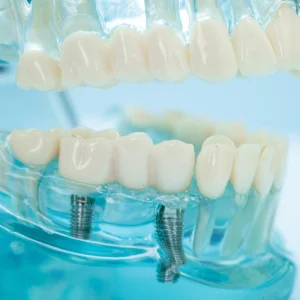
Dental implants are widely regarded as one of the most effective solutions for replacing missing teeth because they restore both functionality and natural appearance. If you are considering dental implants, having a clear understanding of the treatment journey can help you feel confident and well-prepared. Although every patient’s needs vary, the implant procedure follows a carefully planned, step-by-step process focused on long-term success and comfort.
In an earlier post, we addressed several widespread misunderstandings surrounding dental implants and clarified what patients should really expect from implant treatment. Building on those insights, this article now turns attention to the step-by-step journey of receiving dental implants—explaining each phase of the procedure so patients can feel informed, prepared, and confident throughout the process.
Steps Involved in Dental Implants
The process of dental implants in Pittsburg is designed with precision to ensure safety, stability, and lasting results. From the initial consultation to the final placement of the restoration, each stage supports proper healing and a natural-looking outcome. Knowing what to expect at every phase helps patients move forward with realistic expectations and peace of mind.
-
Initial Consultation and Oral Examination
The journey begins with a detailed consultation and oral evaluation. During this appointment, the dentist reviews your dental and medical history, examines your oral health, and discusses your treatment goals. Advanced imaging, such as digital X-rays or 3D scans, may be used to evaluate jawbone density and determine implant suitability. This step is essential for developing a customized treatment plan and addressing any underlying concerns before moving forward.
-
Treatment Planning and Preparation
After confirming that dental implants are an appropriate option, your dentist creates a comprehensive treatment plan. This plan outlines the number of implants needed, ideal placement locations, and the type of restoration that will be used. If jawbone volume is insufficient, procedures like bone grafting may be recommended to strengthen the foundation. Taking care of these factors early helps improve implant stability and reduces the risk of complications.
-
Dental Implant Placement
The next phase involves surgically placing the implant post into the jawbone. The implant, typically made of titanium, functions as an artificial tooth root. The procedure is performed under local anesthesia to ensure comfort and is completed with precise techniques to protect surrounding tissues. Mild swelling or tenderness afterward is common and usually manageable with proper post-operative care.
-
Healing and Bone Integration
Following placement, the implant must heal and fuse with the jawbone in a process known as osseointegration. This stage can take several months and is crucial for creating a strong and durable base for the replacement tooth. During this phase, a temporary replacement tooth may be provided to help preserve both aesthetics and normal function. Adhering to oral hygiene guidelines and attending follow-up visits plays an important role in successful healing.
-
Abutment Placement
After the implant has completely fused with the jawbone, an abutment is placed. This component serves as the connection between the implant and the final crown. The procedure is typically minor and allows the surrounding gum tissue to heal properly, helping create a natural-looking transition between the implant and restoration.
-
Final Crown Placement and Smile Restoration
The final step involves placing a custom-crafted dental crown designed to match your natural teeth in color, shape, and size. This restoration completes the process, restoring normal chewing, speech, and confidence. Many patients find that implants blend seamlessly with their smile, making them a popular choice for those considering cosmetic dentistry in Pittsburg as part of a complete smile enhancement plan.
When to Seek Immediate Dental Attention
Although dental implant complications are uncommon, symptoms such as persistent pain, swelling, or signs of infection should be addressed promptly. Seeking care from an emergency dentist in Pittsburg can help resolve issues early and protect the long-term success of your implant.
Conclusion
Understanding the dental implant process allows patients to approach treatment with confidence and clarity. From the initial evaluation to the final crown placement, every step is carefully planned to restore comfort, function, and aesthetics. If you are ready to learn more about dental implants or schedule a consultation, call 925-778-1998 today and take the first step toward a healthier, complete smile.